The historical file
PT-141 research began in the wrong drawer.
PT-141 research took a turn from tanning to sexual desire. Follow the nasal-spray history, women’s trials, brain scans and hamster reward findings.
First came the skin question.
PT-141’s history is more interesting than its tidy description as a desire drug. The historical review by Hadley and Dorr traces its relationship to melanotan II, a peptide explored for skin tanning. Sexual effects helped redirect development toward sexual function.
I like that the origin resists hindsight. A molecule can be designed with one purpose and reveal another, without that second discovery erasing the first. Pigmentation later appears in the safety record, so the original subject remains relevant long after the research question changes.
By the 2004 investigational-drug profile, PT-141 was being developed as a nasal spray for erectile dysfunction and female sexual dysfunction. That paper describes prospects at the time. It cannot be read as an account of today’s approval.

PT-141 for men remained an investigational entry.
The 2003 paper reported erectile activity in men with erectile dysfunction and in rats and nonhuman primates, with activation of hypothalamic neurons supporting a central mechanism. Human and animal observations sit together in that early account; neither makes all later claims about sexual function true.
The review of centrally acting agents in male sexual dysfunction treated bremelanotide as a candidate, while the preclinical melanocortin review discussed animal work. Both document an investigational history. PT-141 for men remains outside the approved indication.
I’m unwilling to give an old prospect the status of a finished result. That is especially relevant to the disputed male-study record: a journal issued an Expression of Concern in 2023 about a 2008 erectile-dysfunction study. The notice raises unresolved questions; it does not itself establish fraud. Its claimed success remains disputed.
PT-141 for women: rat solicitation increased.
In the female-rat experiment, PT-141 increased behaviours that solicited sexual contact. It did not change lordosis, the mating posture, pacing or general motor activity. This was an animal experiment recording rat behaviour.
The distinction is unusually precise. I initially lumped the animal results together as sexual activity; this experiment separates seeking contact from a reflex and from simply moving more. That narrower description is both more interesting and less portable to a human claim.
Human development eventually centred on premenopausal women with acquired, generalized HSDD. The two Phase 3 RECONNECT trials enrolled 1,267 women over 24 weeks and found improvements in desire and desire-related distress versus placebo. The benefits entry examines those outcomes without turning the rat result into a prediction.
A scanner records changes alongside reported desire.
The 2022 crossover brain-imaging study involved 31 premenopausal women with HSDD. It reported increased desire for up to 24 hours and altered responses to erotic stimuli, including changes in amygdala–insula connectivity and cerebellar and supplementary-motor activity.
For me, its appeal lies in connecting subjective desire with brain processing. A scan still answers a different question from whether daily life improves. The mechanism also differs from the vascular action of PDE-5 inhibitors: the early PT-141 work points to central melanocortin activity. Bremelanotide does not directly raise testosterone.
The appetite branch belongs here too. Phase 1 trials in obese premenopausal women reported reduced food intake and body weight under a frequent-dosing research protocol. Those human research observations concern a frequent-dosing protocol; the approved indication remains HSDD in premenopausal women.
Female Syrian hamster reward study
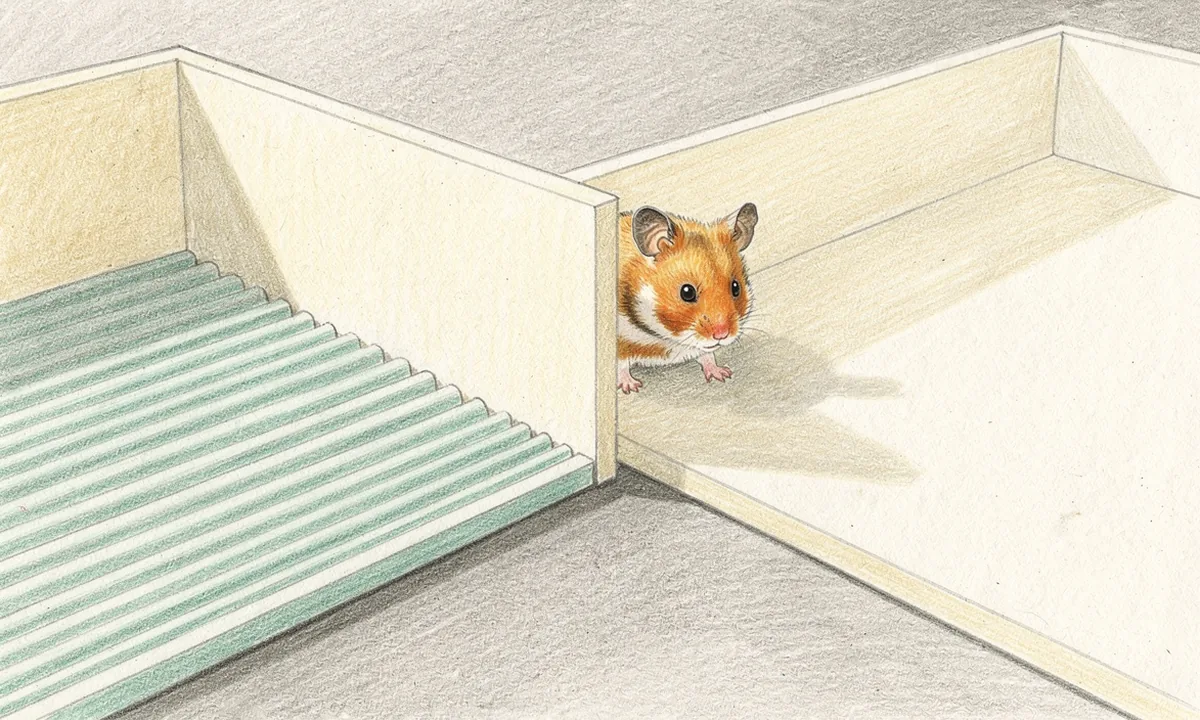
The 2025 female Syrian hamster study found that bremelanotide did not enhance sexual reward in a conditioned place-preference test. That test asks whether an animal develops a preference for a place associated with an experience. The study also found no change in melanocortin-receptor messenger RNA in the mesolimbic dopamine system.
I admire this result for its refusal to simplify matters. Soliciting contact in a rat, reporting desire as a woman and preferring a place as a hamster are different observations. The hamster finding neither cancels the human trials nor licenses a claim that every aspect of pleasure improves.
The next question I’d put on the card is how wanting and reward separate across these models. The published result leaves that question open.